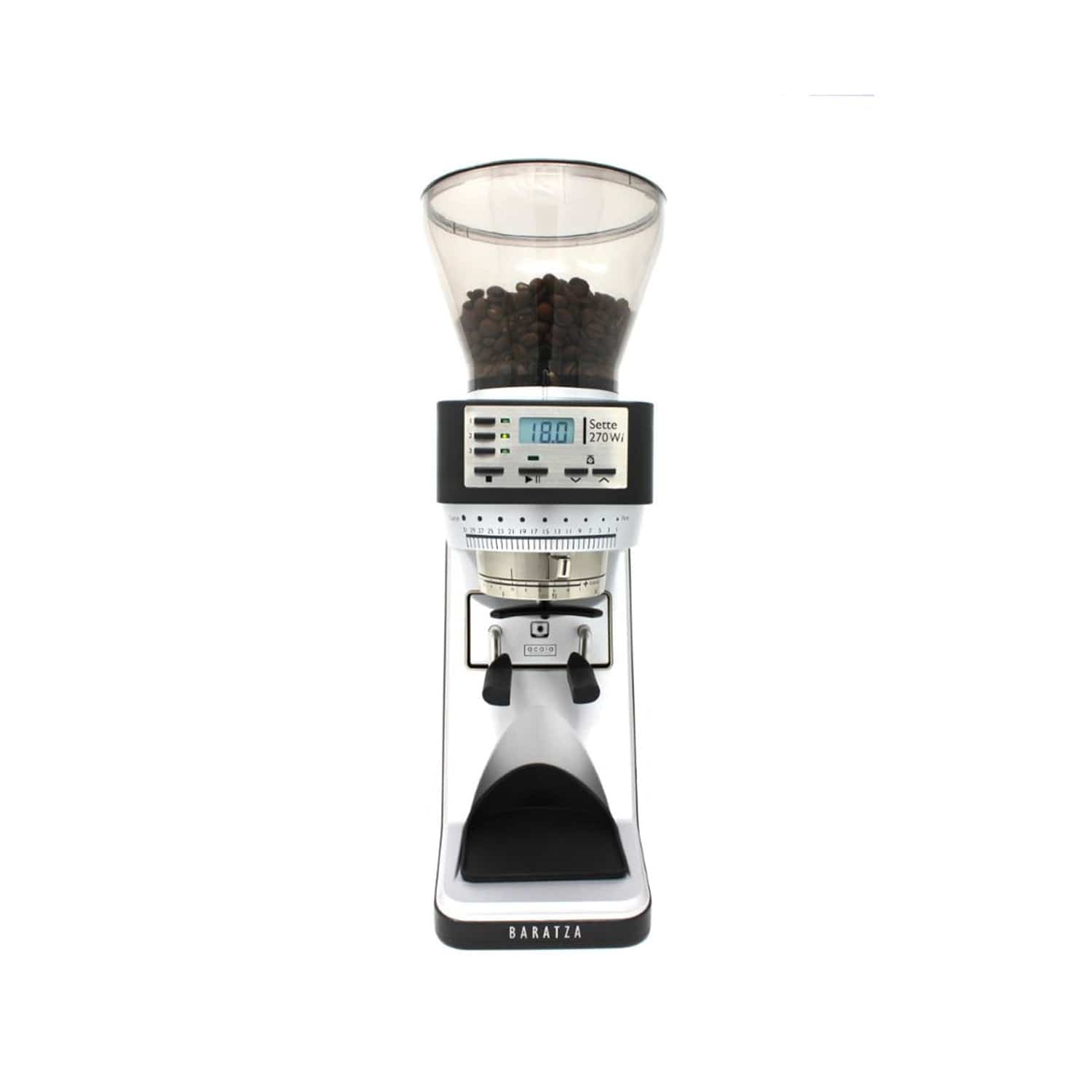

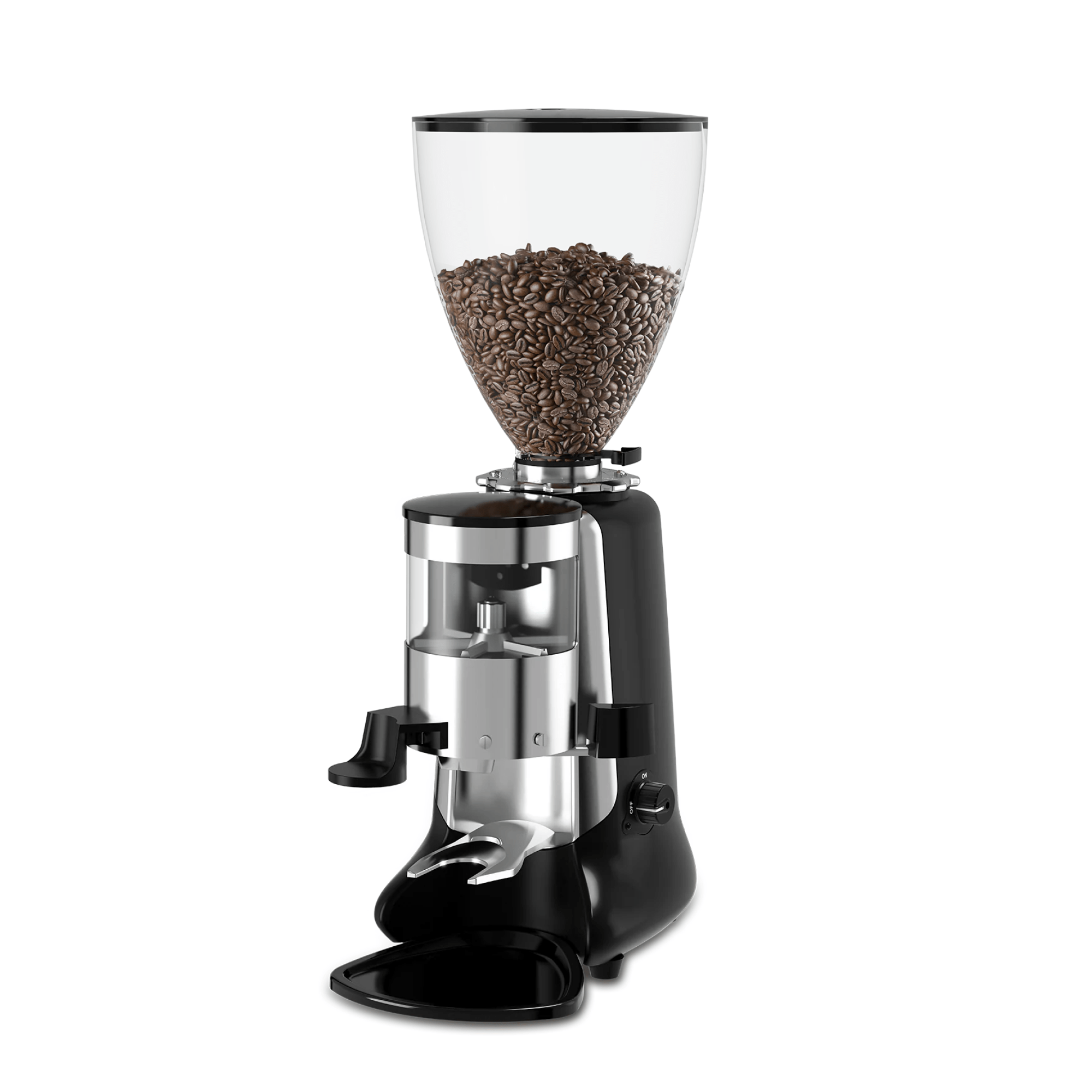
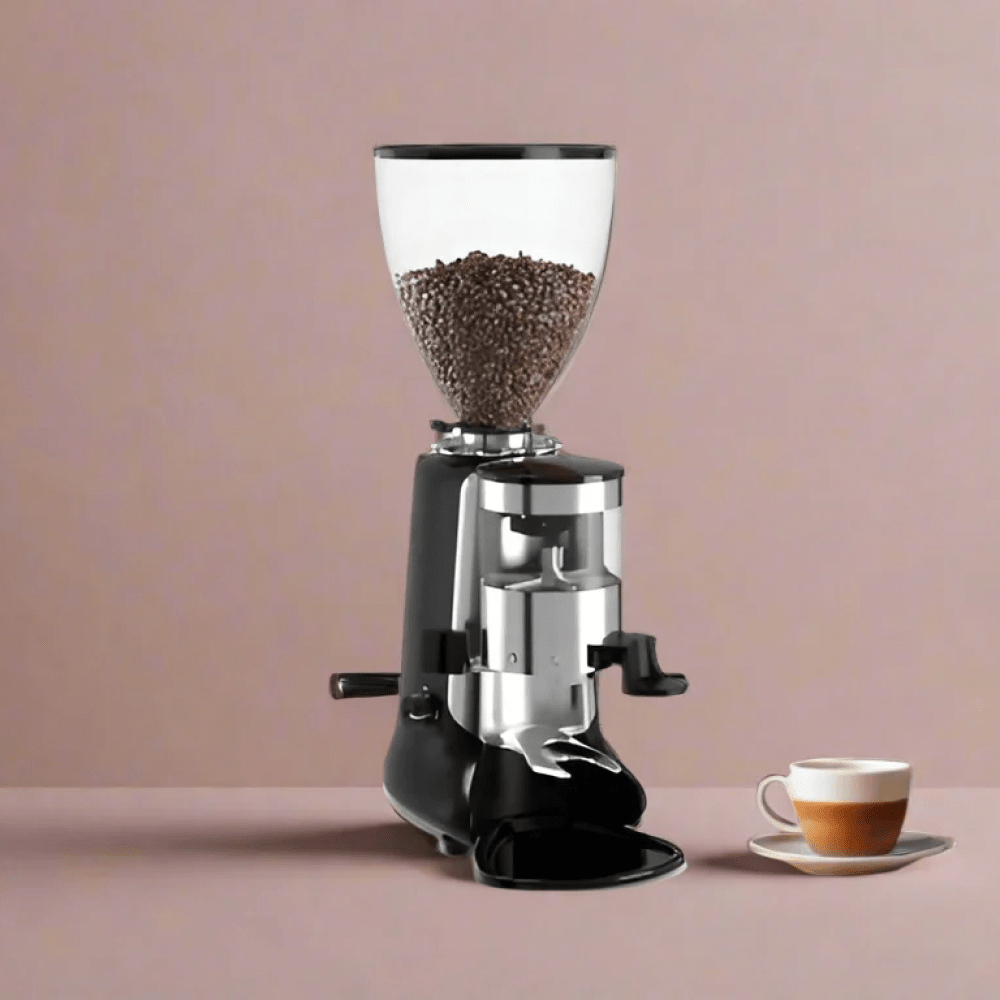
HeyCafe Buddy Espresso Grinder


Mahlkonig X54 Electric Coffee Grinder
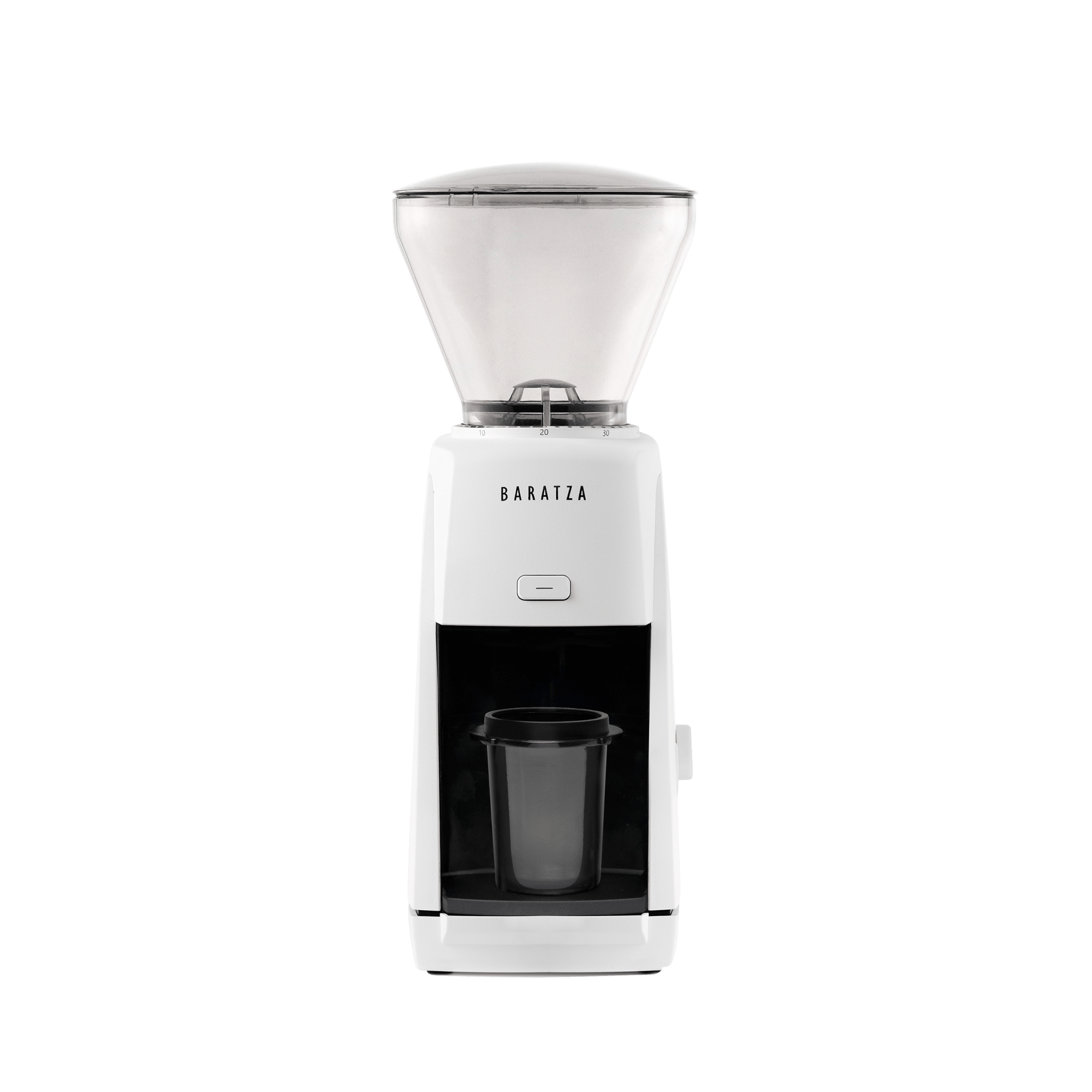
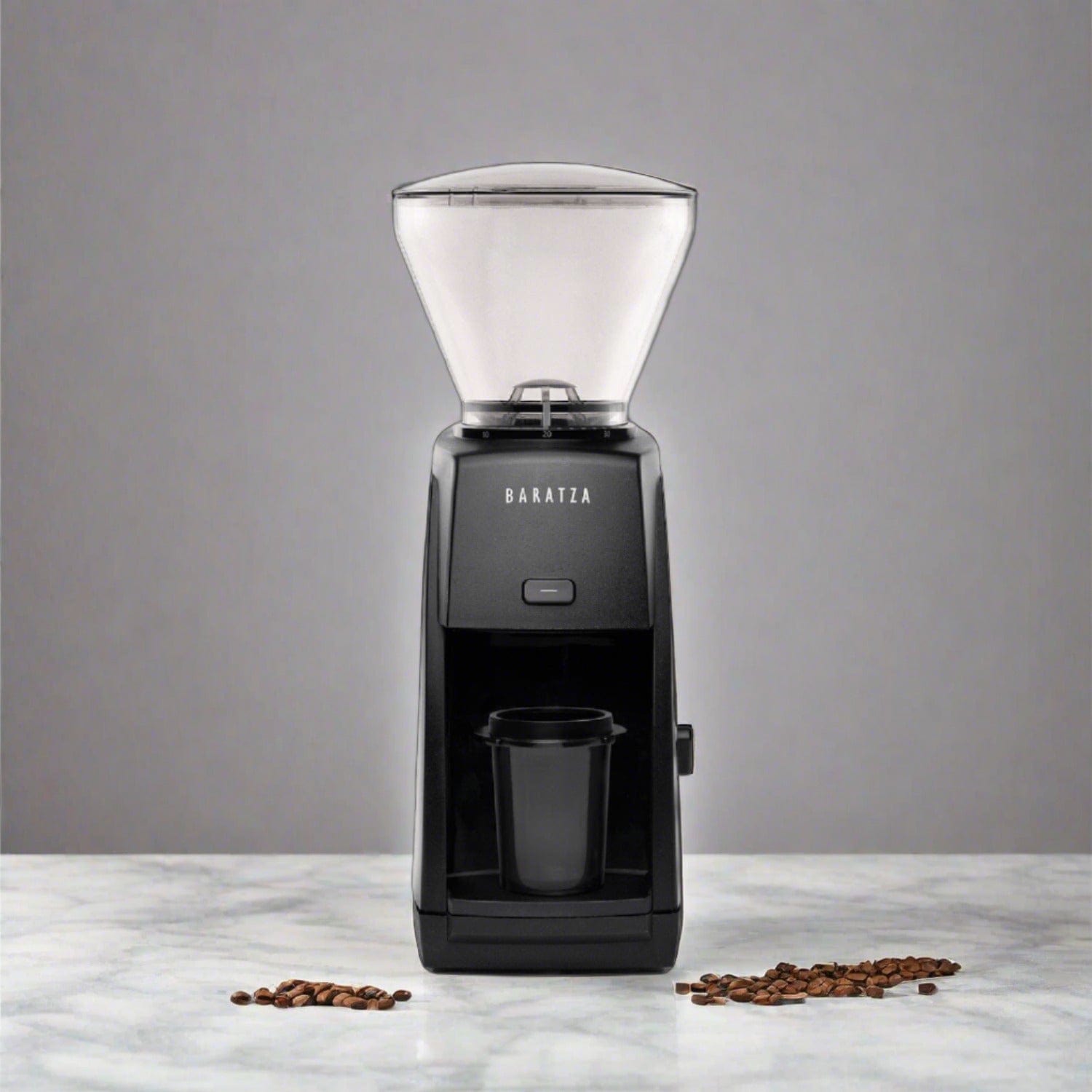


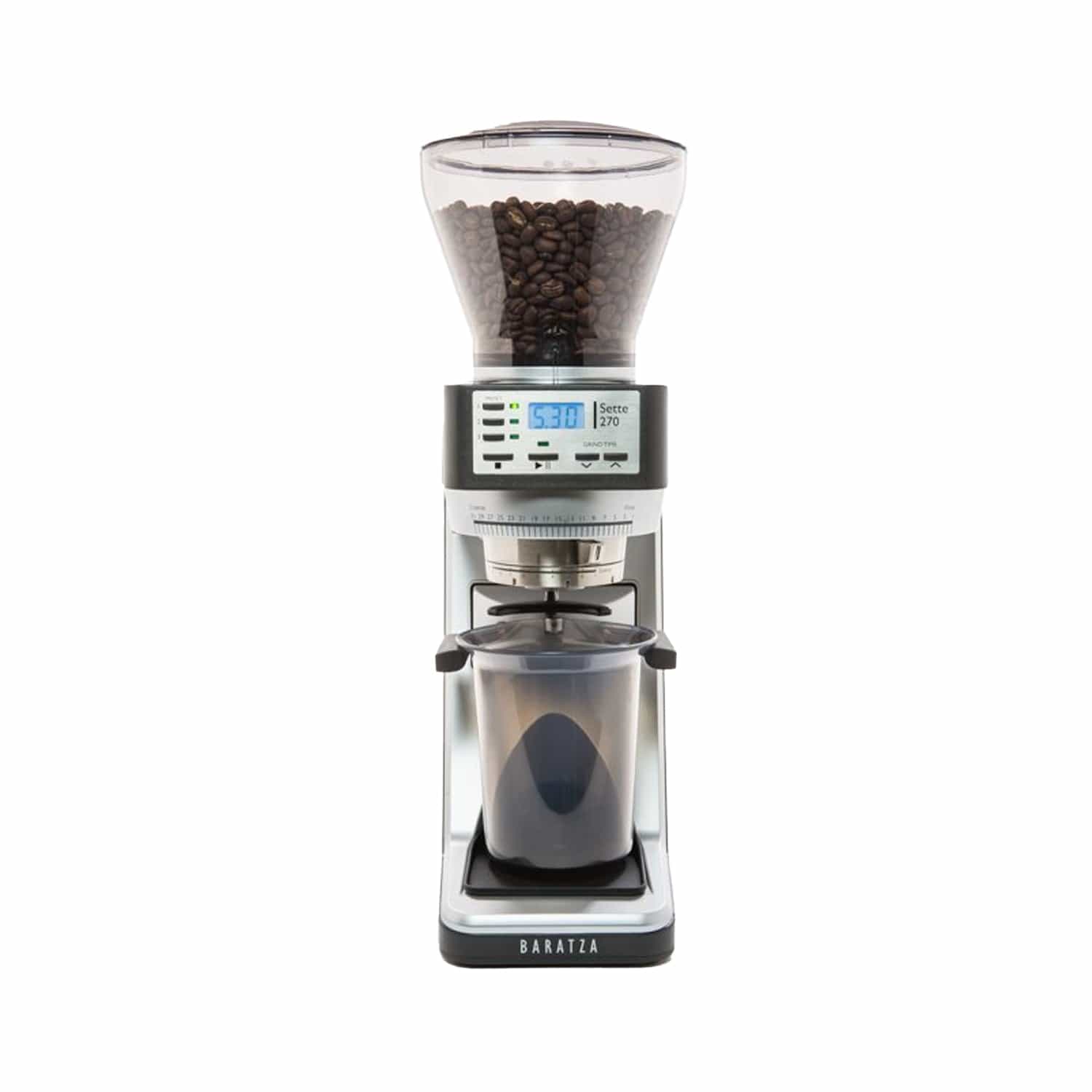
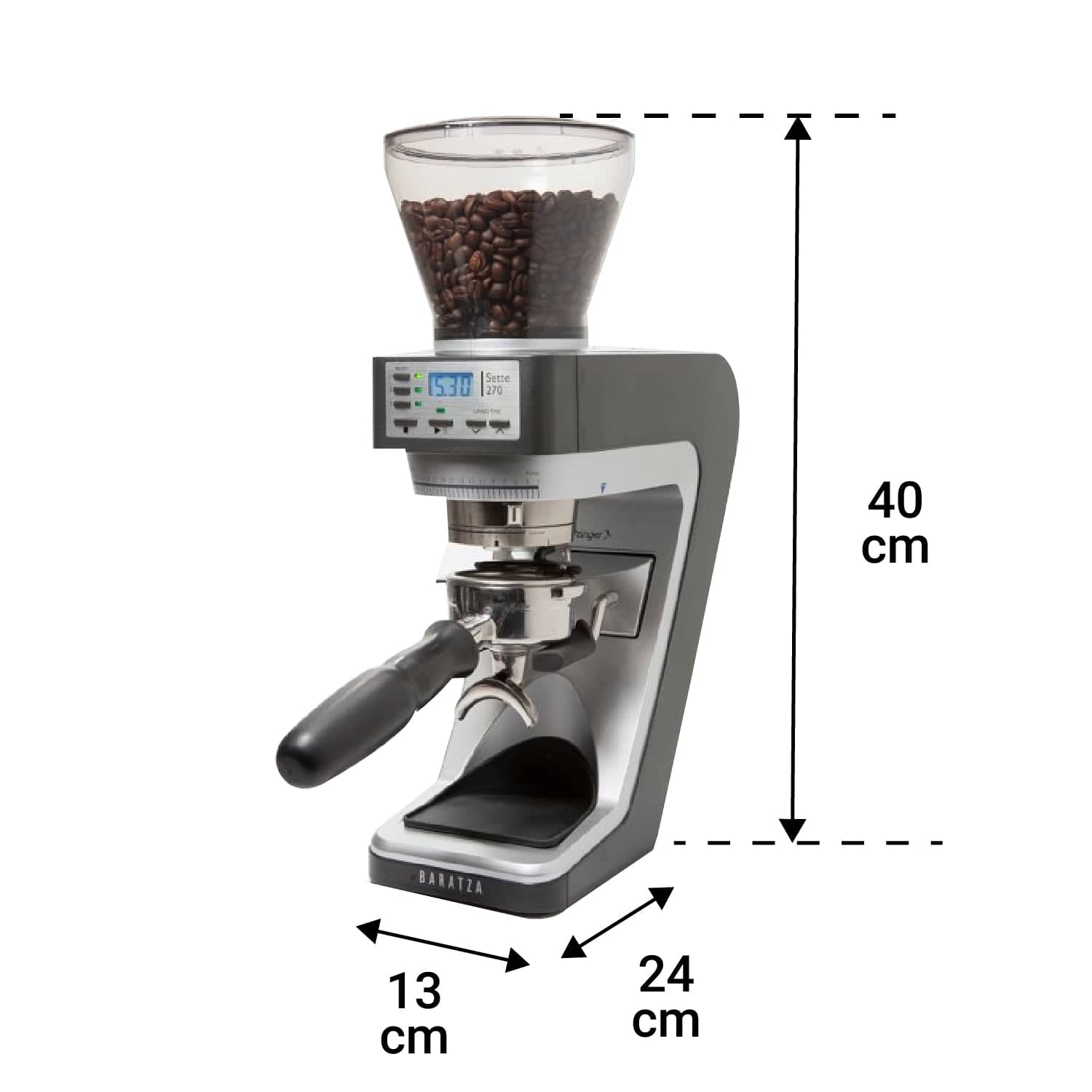
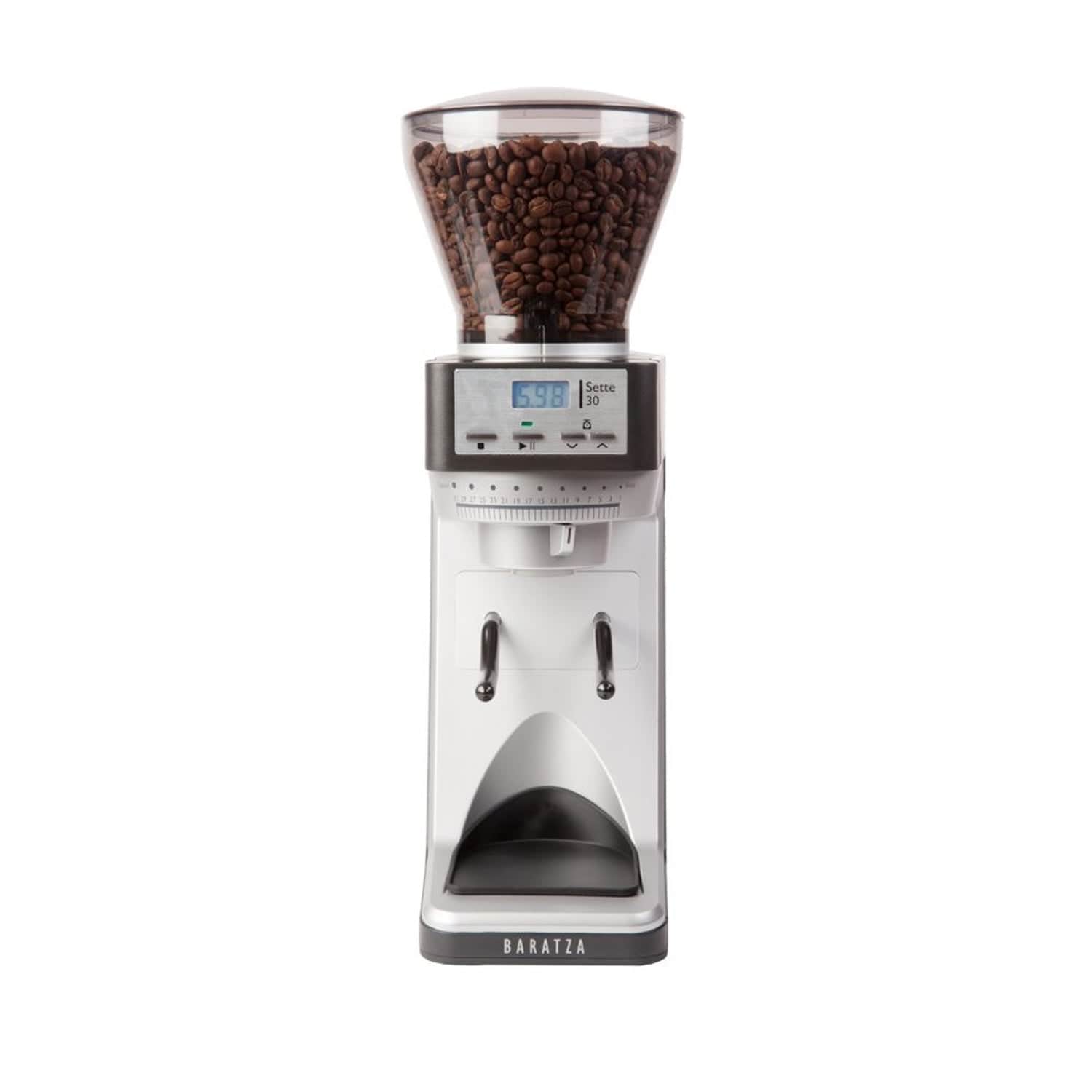

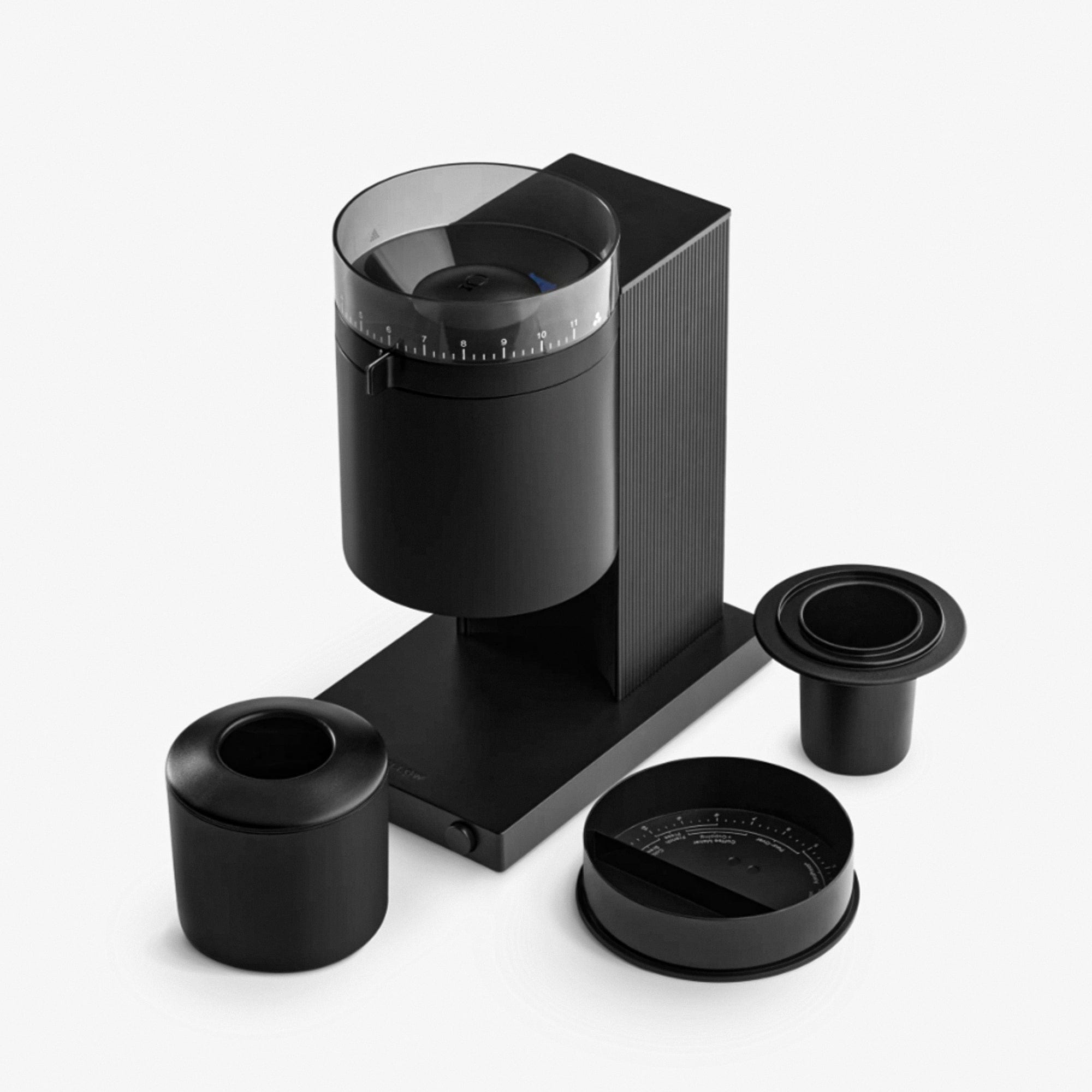
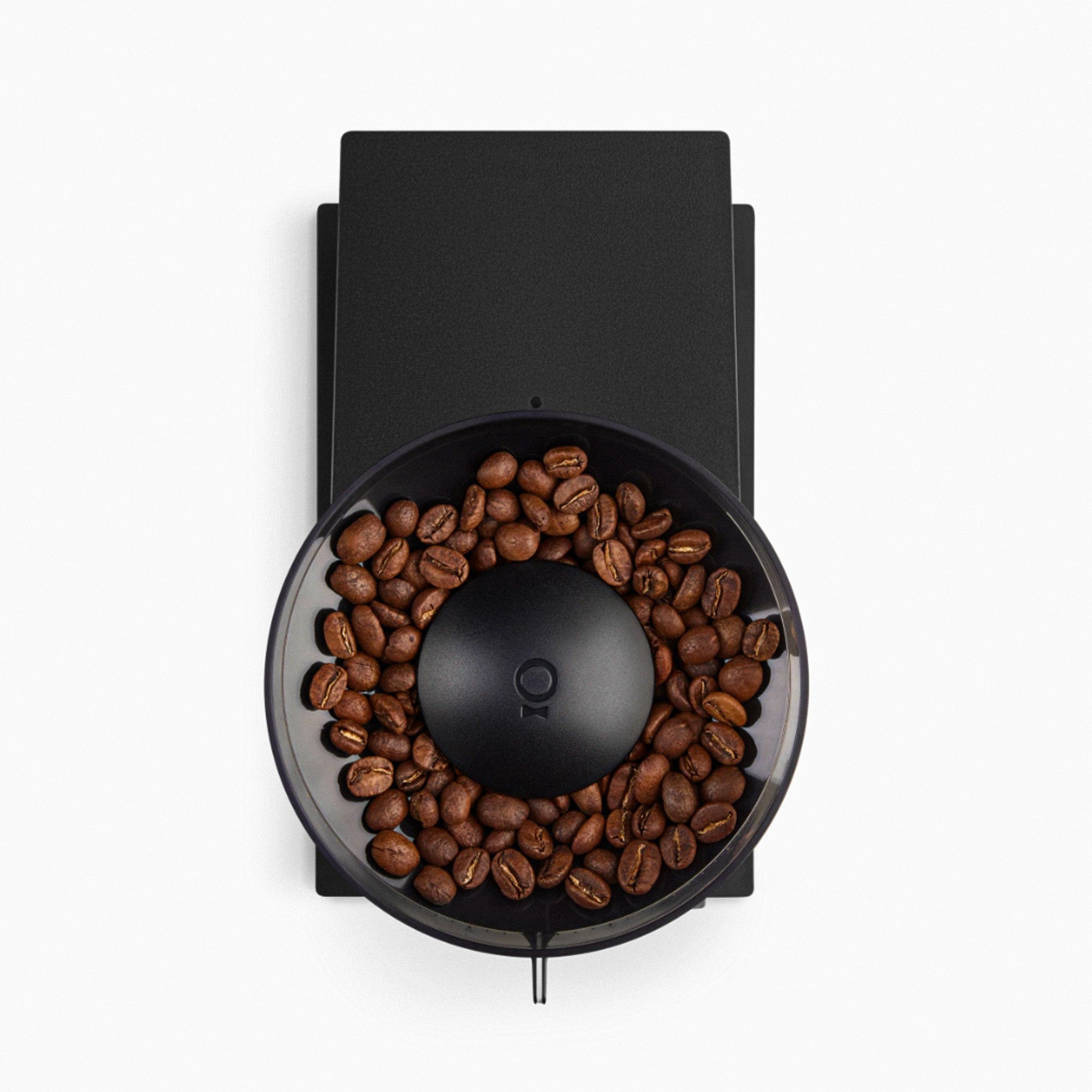
Fellow Opus Conical Burr Grinder
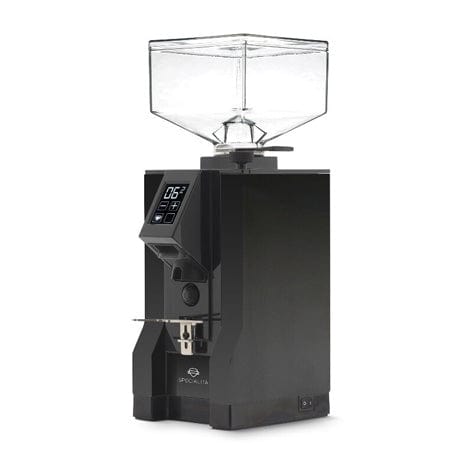
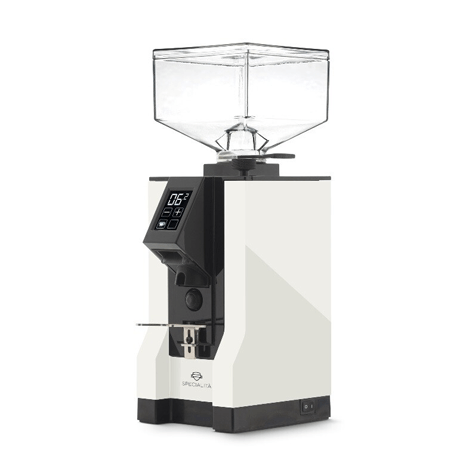
Eureka Mignon Specialita Grinder
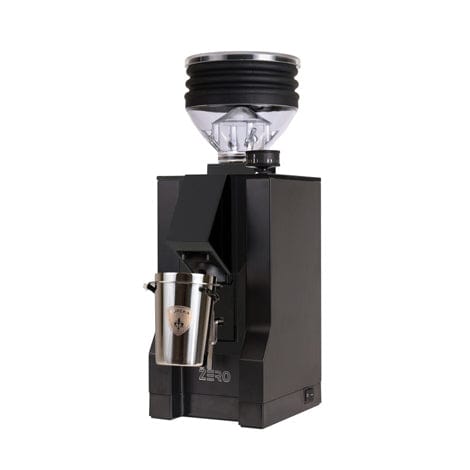
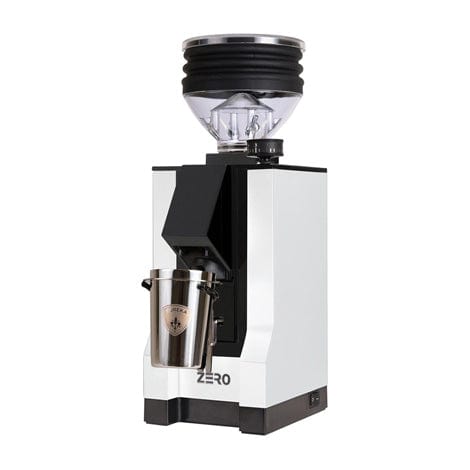
Eureka Mignon Zero Electric Coffee Grinder
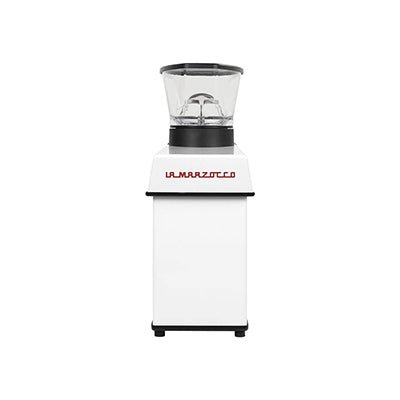
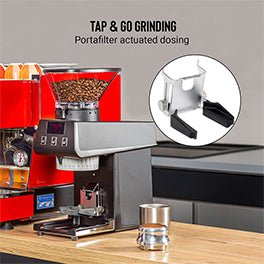
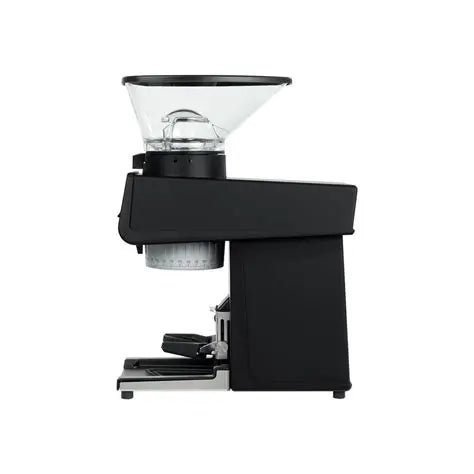


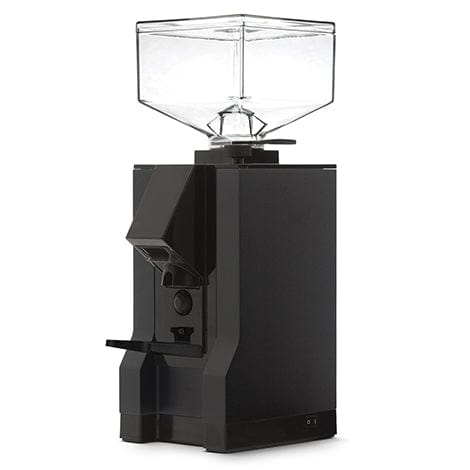
Eureka Mignon Manuale Espresso Grinder


Mahlkonigh E64WS Electric Coffee Grinder


Mahlkonig X64SD Electric Coffee Grinder
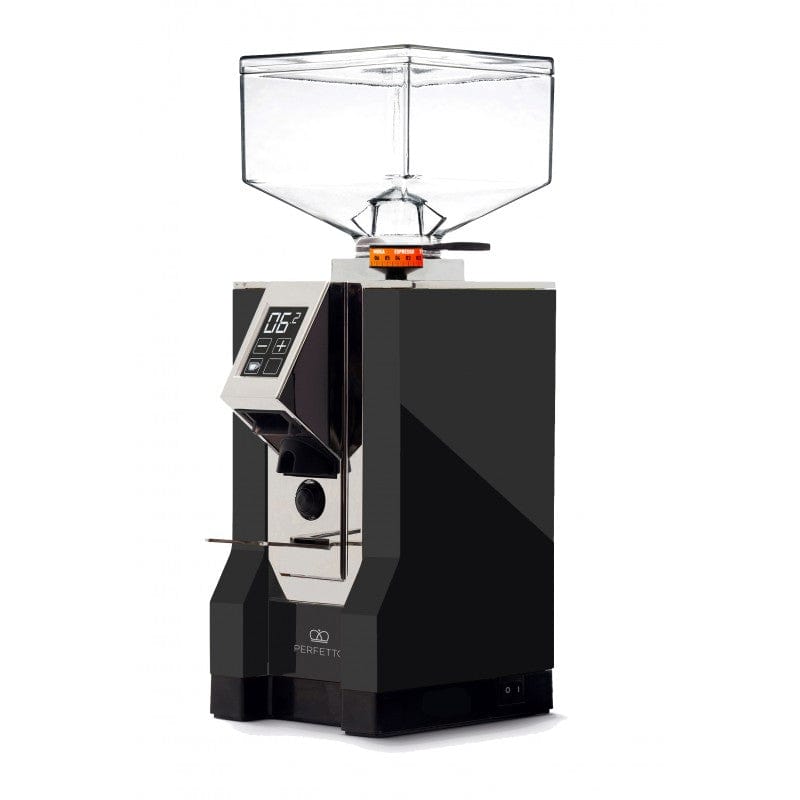
Eureka Mignon Perfetto Espresso Grinder
Electric Coffee Grinders for Home and Specialty Coffee Brewing
Electric Coffee Grinders
A good electric coffee grinder helps you get more consistency from every coffee bean you brew. By grinding coffee fresh and controlling the grind size, you can adjust extraction for espresso, pour over, French press, cold brew and other brewing methods.
Unlike blade grinders that chop coffee beans unevenly, electric burr coffee grinders use precisely positioned burrs to create a more consistent particle size. This makes it easier to repeat your preferred recipe and adjust the grind when your coffee tastes too fast, slow, bitter or sour.
At Something's Brewing, you can explore electric coffee grinders for home brewing, espresso setups and specialty coffee preparation from brands such as Baratza, Eureka, Fellow, Hey Café, La Marzocco and Mahlkönig.
What Is an Electric Coffee Grinder?
An electric coffee grinder is a motor-powered appliance designed to grind whole coffee beans to a selected particle size before brewing. Most specialty coffee grinders use burrs rather than blades because burr grinders provide better control over grind size and consistency.
Electric grinders are particularly useful when you brew coffee regularly because they can grind a dose quickly and consistently without the manual effort required by a hand grinder.
If portability and manual brewing are more important to you, you can also explore hand coffee grinders.
Why Grind Coffee Beans Fresh?
Coffee begins losing aroma after it is ground because a much larger surface area is exposed to oxygen. Grinding beans shortly before brewing helps preserve more of their aroma and flavour.
A coffee bean grinder also allows you to change the grind size according to the brewing method. This matters because espresso, pour over and French press all require different levels of fineness for balanced extraction.
For anyone building a home coffee setup, the grinder is therefore just as important as the brewing equipment itself.
Burr Grinder vs Blade Grinder
The main difference between a burr grinder and a blade grinder is how the coffee beans are processed.
Blade grinders use fast-spinning blades to chop the beans. This can create a mixture of fine and coarse particles in the same batch, making extraction less predictable.
A burr coffee grinder passes the beans between two burrs set at a controlled distance from each other. Adjusting that distance changes the grind size, providing greater consistency and control.
For espresso and specialty coffee brewing, a burr grinder is generally the more suitable option.
Conical Burr vs Flat Burr Coffee Grinders
Both conical and flat burr grinders can produce excellent coffee. The better choice depends on the grinder design, burr geometry, adjustment mechanism and brewing method rather than burr shape alone.
Conical Burr Grinders
A conical burr set uses a cone-shaped inner burr positioned inside an outer burr. Conical burr grinders are widely used in home coffee and espresso grinders and can offer a broad grind range depending on the model.
Flat Burr Grinders
Flat burr grinders use two flat, parallel burrs to grind the coffee. They are commonly found in both espresso and filter-focused grinders and are popular among specialty coffee users looking for precise grind adjustment.
Rather than choosing a grinder based only on conical or flat burrs, consider the complete grinder design and whether its adjustment range matches the coffee you brew most often.
Choosing the Right Grind Size for Your Brewing Method
Different brewing methods require different grind sizes because water remains in contact with the coffee for different lengths of time.
| Brewing Method | Typical Grind Size |
|---|---|
| Espresso | Fine |
| Moka Pot | Fine to medium-fine |
| Pour Over | Medium-fine to medium |
| Filter Coffee | Medium |
| French Press | Coarse |
| Cold Brew | Coarse |
These are starting points rather than fixed rules. Coffee beans, roast level, brewer design and recipe can all influence the ideal grind setting.
For manual filter brewing, explore the pour over coffee makers collection. If you prefer immersion brewing, browse French press coffee makers.
How to Choose an Electric Coffee Grinder
The best electric coffee grinder depends primarily on what you plan to brew.
For Espresso
Espresso requires very fine and precise grind adjustments because even small changes in particle size can affect extraction time. If espresso is your main brewing method, look for an espresso grinder with fine adjustment control and consistent dosing.
Pairing a capable grinder with a semi automatic espresso machine gives you greater control over the complete espresso-making process.
For Pour Over and Filter Coffee
For pour over and filter brewing, choose a coffee grinder that performs consistently across medium-fine to medium grind settings. Easy adjustment is useful if you switch between different brewers or recipes.
For Multiple Brewing Methods
If you prepare espresso on some days and filter coffee on others, look for a versatile electric grinder with a wide adjustment range.
Check the individual grinder specifications carefully because some models are designed primarily for espresso, while others are better suited to filter brewing.
For Single-Dose Brewing
A single-dose coffee grinder is designed for users who measure only the amount of beans needed for each brew rather than keeping a large quantity in the hopper.
This setup can be useful if you frequently switch between different coffees or prefer weighing each dose individually.
Features to Consider Before Buying an Electric Coffee Grinder
Grind Adjustment
Check how many grind settings the grinder provides and how precisely they can be adjusted. Espresso usually benefits from finer adjustment steps than French press or cold brew.
Burr Type and Size
Burr material, size and geometry can influence grinding performance. However, these specifications should be considered together with motor design, alignment and adjustment mechanism rather than in isolation.
Bean Hopper Capacity
A larger hopper can be convenient when preparing several coffees at once. A smaller hopper or single-dose design may suit users who prefer switching between beans frequently.
Grind Retention
Grind retention refers to coffee grounds that remain inside the grinder after grinding. Low-retention designs can be useful when changing coffee beans or grind settings frequently.
Noise Level
Electric coffee grinders vary considerably in operating noise. If you brew early in the morning or share your space with others, a lower-noise grinder may be worth considering.
Dosing Method
Depending on the model, electric grinders may offer timed dosing, manual dosing or grind-by-weight functionality. Choose the system that best suits the level of consistency and convenience you need.
Electric Coffee Grinders for Home and Specialty Coffee
An electric coffee grinder for home use should match both your brewing method and how frequently you make coffee.
A casual filter coffee drinker may prioritise ease of use and a broad grind range, while an espresso enthusiast may place greater importance on precise adjustment and repeatability. Someone who changes coffee beans frequently may instead prefer a single-dose grinder with low retention.
There is no single grinder that is ideal for every coffee drinker. Start with the brewing method you use most often and choose the grinder features around that requirement.
Electric Coffee Grinder Brands at Something's Brewing
Something's Brewing features coffee grinders from established specialty coffee equipment brands, including Baratza, Eureka, Fellow, Hey Café, La Marzocco and Mahlkönig.
Different brands focus on different grinder designs, from versatile home grinders to dedicated espresso grinders and higher-performance specialty coffee equipment. Compare burr type, adjustment system, hopper capacity, dosing style, noise level and brewing compatibility before making your choice.
How to Maintain an Electric Coffee Grinder
Regular cleaning helps prevent old coffee particles and oils from affecting the flavour of freshly ground beans.
Brush loose grounds from accessible parts of the grinding chamber according to the manufacturer's instructions. Clean removable bean hoppers periodically and make sure they are completely dry before reinstalling them.
Avoid washing burrs or internal electrical components with water unless the manufacturer specifically states that the part is washable.
Burr replacement intervals vary significantly depending on burr material, grinder design, coffee volume and manufacturer specifications. Rather than relying on a fixed number of years, monitor grinding performance and follow the replacement guidance provided for your specific grinder.
Signs that a grinder may need inspection include noticeably slower grinding, inconsistent particle size or difficulty achieving previously familiar settings.